Diabetic eye exams
Diabetic retinopathy can develop without noticeable symptoms and may cause permanent vision loss if it progresses untreated. Regular dilated eye exams help detect retinal changes early, when monitoring and treatment are most effective.
Written and medically reviewed by Dr. Loi Thanh Mai, O.D.
Doctor of Optometry · Certified in the treatment and management of ocular disease · Last reviewed September 2026

Why high blood sugar damages the retina
The retina depends on a network of very small blood vessels. Over time, elevated blood sugar can damage these vessels, causing them to leak, swell, or become blocked.
As the condition progresses, areas of the retina may receive less oxygen. The eye may respond by growing new blood vessels, but these vessels are fragile and can bleed, leading to more serious vision complications.
The important part is that these changes can begin before you notice any difference in your vision. That is why regular diabetic eye exams matter: they allow retinal changes to be detected and monitored earlier, when treatment is often more effective.
- Dilated examination of the full retina, not just the central portion
- Retinal imaging kept on file and compared year to year
- Screening for diabetic macular edema, the most common cause of vision loss in diabetes
- Eye pressure check — diabetes roughly doubles glaucoma risk
- Cataract assessment, which develops earlier and faster with diabetes
- A written report sent to your primary care doctor or endocrinologist
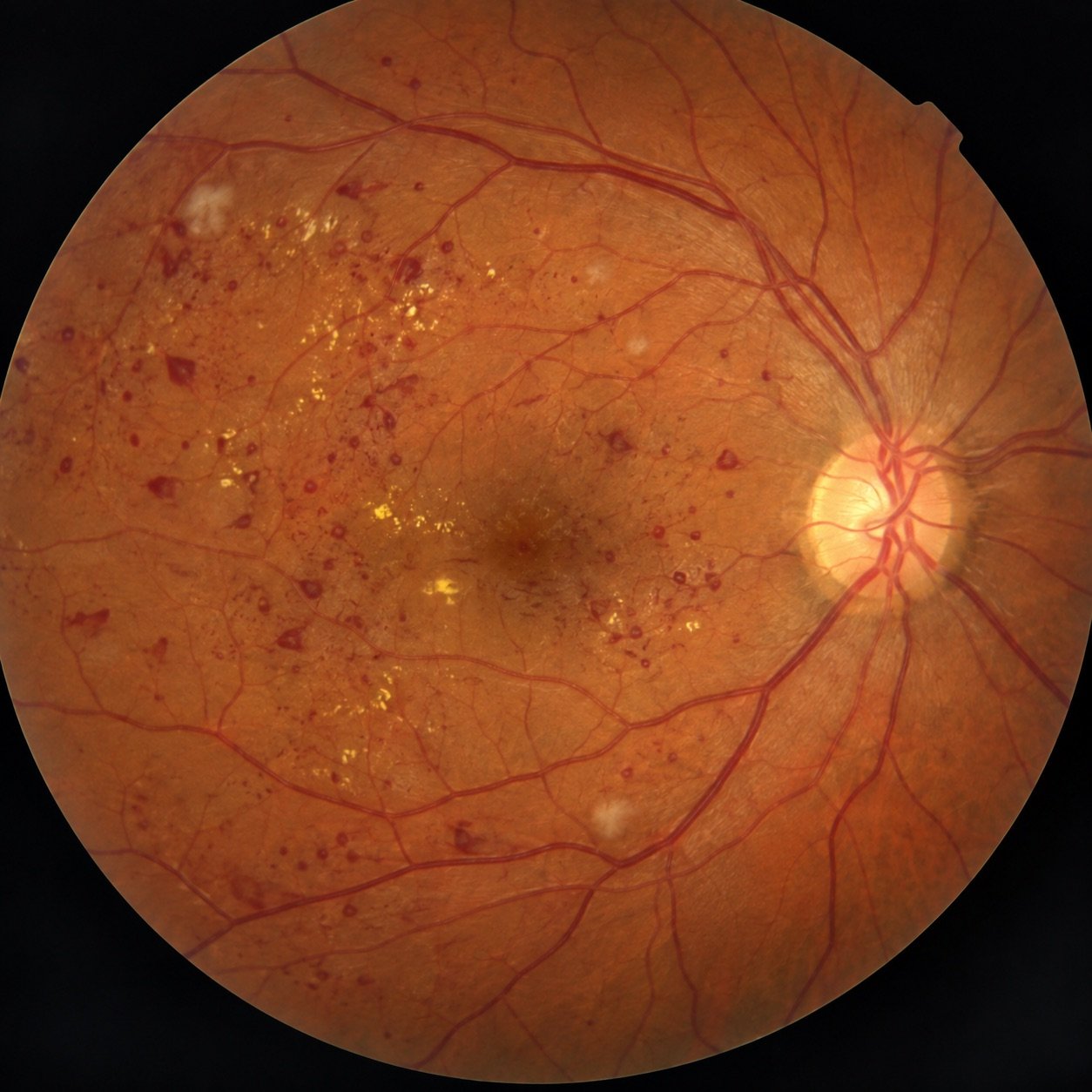
Earlier detection gives you more options
Diabetic retinopathy develops in stages. Identifying where those changes are occurring helps determine how closely the retina should be monitored and when treatment or specialist care may be needed.
Mild to Moderate Diabetic Retinopathy
Early retinal changes may include small vessel abnormalities, tiny hemorrhages, or leakage. Vision can still feel completely normal, which is why routine retinal exams are so important.
Severe Nonproliferative Retinopathy
More widespread vessel damage can reduce blood flow to parts of the retina. At this stage, closer monitoring and referral to a retinal specialist may be appropriate.
Proliferative Diabetic Retinopathy
When the retina becomes significantly deprived of oxygen, fragile new blood vessels can develop. These vessels may bleed or contribute to retinal detachment, making timely treatment especially important.
Questions patients ask
Yes, and that is precisely the point. Diabetic retinopathy is asymptomatic in its early and most treatable stages. The damage begins in the peripheral retina, away from the central vision you read with.
Once a year at minimum if you have type 1 or type 2 diabetes. More often if changes have already been found, or during pregnancy, when retinopathy can progress quickly.
Usually not through your vision benefit. Medi-Cal vision benefits generally cover routine eye care. A diabetic eye exam is considered medical rather than routine, so it is typically handled through the medical portion of your plan rather than your Medi-Cal vision benefit. However, patients with Medi-Cal can enroll in our in-house membership plan that gives you discounts on medical visits for a whole year.
Yes, with your consent. Many diabetes care plans require documented annual retinal screening, and this is what satisfies it.
Early, mild changes are usually monitored more frequently with imaging rather than treated, and improving blood sugar control genuinely alters the course. If bleeding continues out of control, a referral to a retinal specialist will be made.
It raises the risk of glaucoma, brings cataracts on earlier, and fluctuating blood sugar can shift your glasses prescription noticeably week to week.
Book this year's diabetic eye exam
An hour a year, and it is the single most effective thing you can do to protect your sight from diabetes.